Backpack PSD Mockup Design: A Practical Tool for Professional Product Presentation
Designers, marketers, and product creators frequently face the challenge of presenting physical items in a digital space. The Backpack PSD Mockup Design offers a streamlined solution by allowing users to visualize backpack concepts with photorealistic accuracy. This type of mockup is more than just a visual aid—it’s a practical asset that integrates into design workflows, marketing strategies, and product development cycles. Whether you're crafting a new brand identity or preparing assets for an online store, this tool simplifies the process of turning concepts into compelling visuals.
Understanding the Backpack PSD Mockup Design
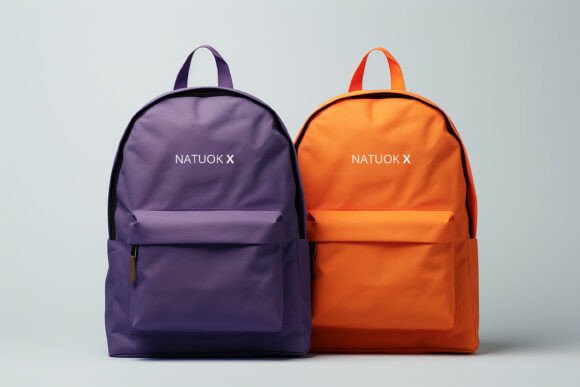
A Backpack PSD Mockup Design is a layered Photoshop file that enables users to insert their own graphics onto a realistic image of a backpack. These mockups are built using smart objects, allowing for non-destructive editing and easy customization. The design includes realistic textures, shadows, and fabric folds that reflect lighting and material behavior accurately. This level of detail is crucial when presenting to clients, stakeholders, or customers who need to see how a design will look in a real-world context.
From a broader perspective, mockups like this serve as a bridge between concept and execution. They help designers evaluate color schemes, patterns, and branding elements before committing to physical production. For marketers, they provide high-quality visuals for promotional campaigns, landing pages, and product listings—especially useful in the early stages of product development or rebranding efforts.
Integration into Design and Marketing Workflows
The Backpack PSD Mockup Design is most effective when used as part of a structured creative process. Here’s how it typically fits into different phases of a project:
- Pre-Production: Before manufacturing begins, designers can test multiple variations of a backpack design. This helps in refining aesthetics and ensuring brand consistency across different product lines.
- During Development: As prototypes are being built, mockups can be used to create placeholder visuals for marketing materials, crowdfunding campaigns, or investor presentations.
- Post-Launch: Once a product is live, mockups can continue to serve by generating updated visuals for seasonal promotions, limited editions, or new colorways.
By integrating mockups into these stages, teams can maintain visual continuity, reduce production errors, and accelerate time-to-market.
Compatibility and Workflow Considerations
For the Backpack PSD Mockup Design to be truly useful, it must align with the tools and platforms already in use. Most PSD mockups are compatible with Adobe Photoshop, the industry standard for photo editing and digital design. Users should ensure they have the latest version installed to take full advantage of smart object functionality and layer management.
Additionally, mockups often work in tandem with other resources such as:
- Brand guidelines: Ensuring that mockups align with brand colors, fonts, and logo placement standards.
- Design software: Used alongside tools like Illustrator for vector assets or Figma for UI/UX integration.
- Asset management systems: Storing and organizing mockup files alongside other brand assets for easy retrieval and reuse.
When selecting a mockup, check for compatibility with your existing tools and the ability to export in multiple formats (such as PNG, JPEG, or PDF) for use across different platforms.
Practical Implementation Tips
While the Backpack PSD Mockup Design is user-friendly, a few best practices can enhance its effectiveness:
- Start with high-quality source files: Use vector-based graphics or high-resolution images when inserting your design into the smart object. This ensures the final output maintains clarity and detail.
- Customize lighting and background: Many mockups come with adjustable layers for background color, lighting, and shadow intensity. Use these to match your brand’s visual style or the intended environment where the product will be displayed.
- Batch processing: If you need to generate multiple versions (e.g., different color options), use Photoshop’s batch processing or actions to automate repetitive tasks and maintain consistency.
- Save templates: Once you’ve customized a mockup to match your brand’s aesthetic, save it as a template for future use. This saves time and ensures visual consistency across campaigns.
These steps help streamline the design process and reduce the learning curve, especially for those who are not Photoshop experts.
Use Cases Across Industries
The Backpack PSD Mockup Design isn’t limited to a single industry. Its versatility makes it a valuable asset across various creative and commercial applications:
- E-commerce: Online retailers can generate product visuals without the need for professional photography, especially useful for new product launches or small businesses with limited budgets.
- Advertising: Agencies can create mockups for ad campaigns, landing pages, and social media content that aligns with client branding.
- Education: Design instructors and students can use mockups to demonstrate how branding translates to physical products, offering a real-world application of design theory.
- Freelance Design: Independent designers can present polished concepts to clients quickly, improving communication and reducing revision cycles.
Each of these scenarios benefits from the mockup’s ability to simulate realism without requiring physical samples, which can be costly and time-consuming to produce.
Long-Term Value and Scalability
Investing in a high-quality Backpack PSD Mockup Design pays off over time. As design trends evolve, having a reusable, editable template ensures that your visuals remain current without the need for constant re-creation. Additionally, as your brand expands into new product lines or markets, the same mockup can be adapted for different uses—whether that’s a school bag, travel backpack, or luxury fabric tote.
Organizations should consider maintaining a library of mockups tailored to their product range. This not only improves efficiency but also supports brand consistency across digital and print materials. When managed well, mockups become part of a scalable design system that supports both short-term campaigns and long-term brand development.
Final Thoughts
The Backpack PSD Mockup Design is more than a convenience—it’s a strategic asset that enhances workflow efficiency, improves client communication, and strengthens brand presentation. Whether you're a solo designer, part of a creative team, or managing a product launch, integrating mockups into your process allows for faster iteration, better decision-making, and more polished outputs.
By understanding how to effectively use and integrate this tool into your existing workflow, you can streamline your creative process, reduce production costs, and deliver high-quality visuals that align with your brand’s identity and goals.